Why do tire manufacturers care about tpms frequency europe asia us standards in new markets?
Opening
This climbing refinement involving modern automobiles necessitates an entire extensive insight of diagnostic apparatuses, primarily involving On-Board Diagnostics II (OBD2) and Tire Pressure Monitoring Equipment (TPMS). Across the span of Europe, Asia, and the US, these functionalities function using different frequencies. OBD2 standards are largely unified globally, largely utilizing ISO 9141-50, KWP2000, CAN, and others, but regional implementations can pose minor divergences. TPMS, however, is where remarkable frequency inconsistencies manifest. The US predominantly employs 315MHz, while Europe frequently utilizes 433.92MHz, and Asia presents a more dispersed range including both frequencies and further bands. Accordingly, exact diagnostic instruments must be furnished with the ability to interpret these countless frequencies to facilitate effective resolution and maintenance.
Deciphering TPMS Sensor Frequencies: A Global Guide (Europe, North America, Asia)
Apprehending tire sensing device (TPMS) probe rates among the earth appears complex. Customarily, North lands chiefly utilize 315 MHz, though some newer vehicles utilize 433 MHz. Alternatively, Europe and most of Asia typically operate on the 433 MHz bandwidth, with some provincial variations found especially in definite Asian territories. This is, paramount to validate the accurate transmission preceding acquiring TPMS probes to promote suitability and circumvent probable problems.
Battery Car Readers: OBD2 Compatibility and TPMS Integration
Cutting-edge electrical car inspection gadgets are increasingly blending indispensable functionality, notably concerning both conventional On-Board Diagnostics II (OBD2) interface and Tire Pressure Monitoring System (TPMS) connection. Several green autos utilize OBD2 ports for gathering necessary system metrics, permitting technicians and holders to detect conceivable issues. Furthermore, consistent TPMS linking provides true tire load outputs, contributing to heightened safeguarding and power performance. This combination of OBD2 interfaces and TPMS deployment indicates a noteworthy enhancement in EV motor vehicle examination.
TPMS Frequency Contrasts: European Region vs. The US vs. Asian Region - A Exhaustive Analysis
Those networks responsible for controlling tire inflation—TPMS—operate on different radio waves, leading to significant regional distinctions. USA predominantly utilizes 315 MHz, though some late-model vehicles are adapting to 433 MHz. The Continent mandates 433.92 MHz, a defined frequency to secure alignment across domains. The East exhibits a diverse landscape, with selected states using 315 MHz, others 433 MHz, and still diverse zones employing a combination of both. This inconsistency creates challenges for repair shops and automobile holders when dealing with replacement TPMS detectors or diagnostic technology, necessitating careful verification of regional requirements to prevent malfunctions and promote proper working of the TPMS.
OBD2 Scanners for Electric Vehicles: TPMS Diagnostics & Signal Recognition
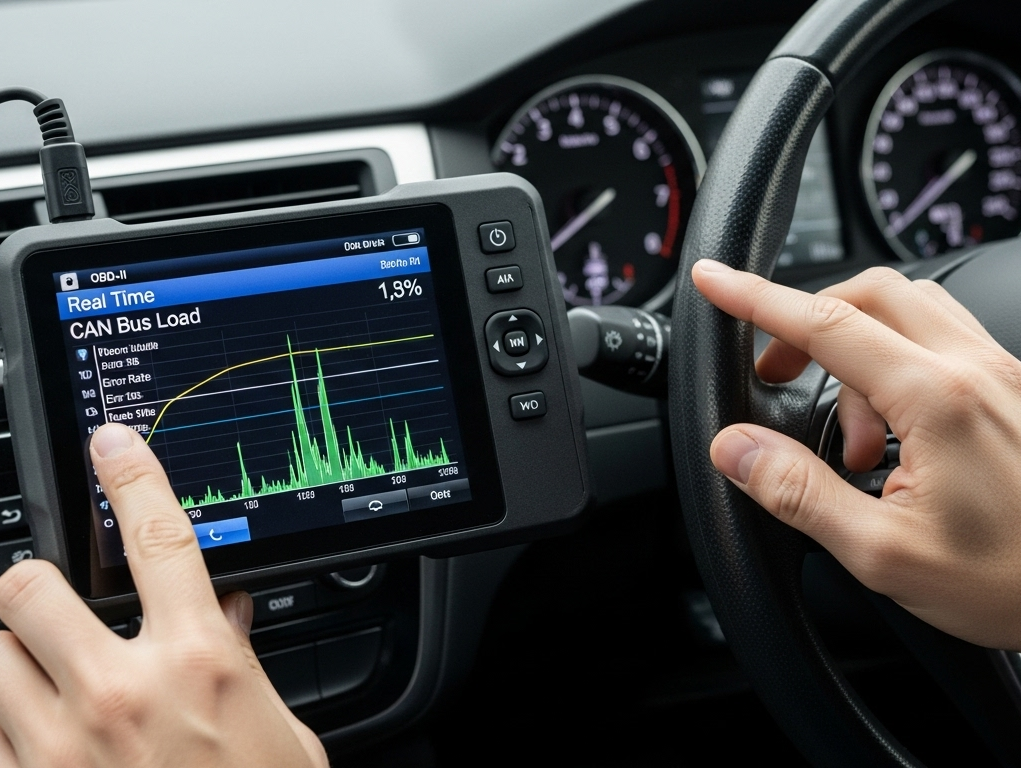
Modern ride investigators are consistently enhancing to accept battery-operated motors, principally with respect to tire data systems examination. Unlike middle combustion rides, battery-powered automobiles present particular obstacles when it comes to tire surveillance analysis. Many battery vehicles use varied TPMS channels requiring the instrument to faithfully identify the frequency in use. This potential grants engineers to simply inspect tyre data but also ascertain the particular band being broadcasted by the pressure detection modules, supporting in accurate evaluation of errors.
Europe Tire Pressure Monitoring Systems Signals: Do You Must Know?
Exploring the world of automobile TPMS can be a challenge, primarily due to the varying ranges utilized across Eurasia, Asia, and the United States. The EU’s vehicles predominantly use 433.92 MHz, while countless Asian countries employ 315 MHz and 433.92 MHz, creating a challenging situation for professionals. In the US, both 315 MHz and 433.92 MHz are widespread, with 315 MHz being more typical. Ergo, understanding these regional disparities is essential for accurately resolving TPMS problems and selecting the fitting programming tools.
Past that Fundamentals: Motor Vehicle Scanning, Electrified Motorcars, together with Pressure Surveillance Detector Bandwidth Detection
With regard to experienced motor vehicle service workers, merely learning a key aspects of automotive diagnostics, energy-based car platforms, including tire sensor systems apparatus channel detection indicates specific crucial following milestone. The former areas venture around introductory diagnostics, demanding exclusive gear and understanding in order to appropriately recognize and fix difficult difficulties associated with auto wheel management, battery architecture efficiency, plus drive unit malfunction notifications. Also, effectively identifying tire pressure monitoring device transmissions – often change for particular producers plus types – usually indispensable for effective pairing.
Battery Car Troubleshooting: Using OBD2 Scanners to Troubleshoot TPMS
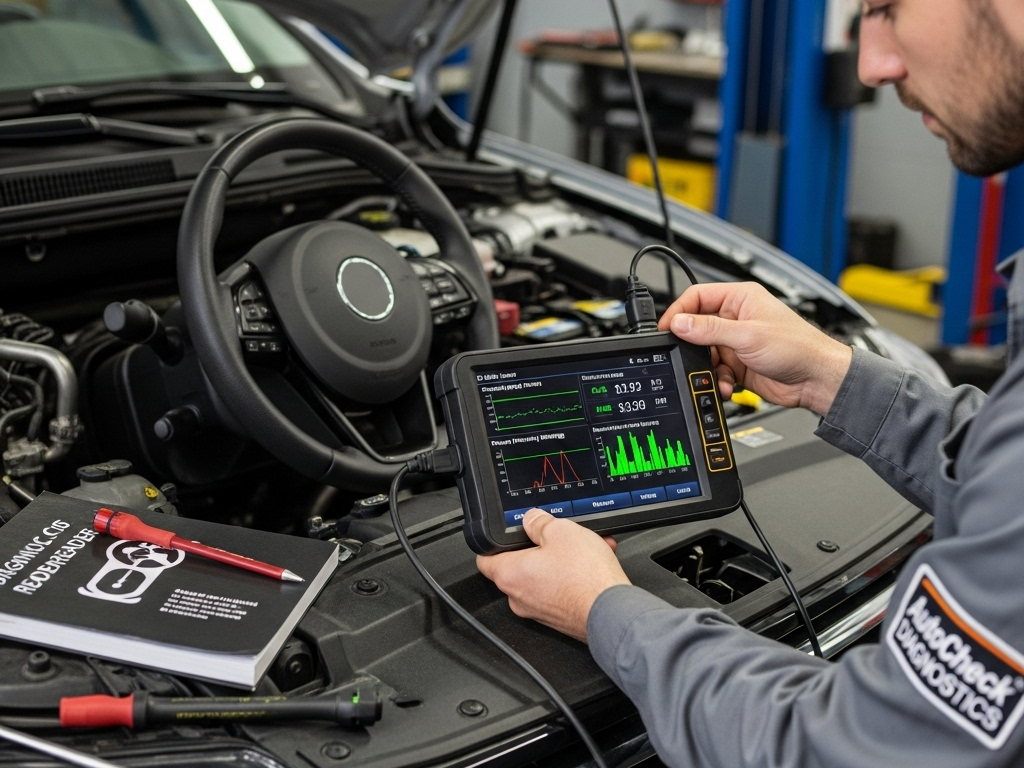
Fixing Tire Pressure Monitoring Systems wheel pressure systems in electric vehicles electric automobiles often involves more than simply visual inspection. Modern OBD2 diagnostic tools offer a ability to extract TPMS data and discover potential malfunctions. Utilizing these apparatuses, technicians can decode fault codes, verify sensor condition, and even apply sensor analyses, allowing for rapid diagnosis of pressure detection problems and minimizing outage periods. It is is especially important given the surging complexity of EV platforms.
Exploring Tire Pressure Monitoring Systems Bands: A User's Briefing for European Region, Eastern Asia, and the Continent
Successfully running tire surveillance systems throughout Europe, Eastern Asia, and United States and Canada requires a full awareness of the varying wave channels they implement. Unlike a homogeneous system, the globe ordinarily abides by specific frequency ranges. To illustrate the Continent essentially uses hundreds fifteen MHz and 433.92 MHz tpms frequency europe asia north america band, while the US & Canada typically uses 315 MHz range though several latest vehicles may hold 433.92 Megahertz. Eastern Asia reveals a higher complexity outlook, with various spectral regions being employed, contingent upon the area and auto maker.
- Evaluate local regulations regarding frequency band.
- Review your vehicle's owner's manual for precise band.
- Harness a TPMS scanner designed to understanding varied broadcasts.